Tattoo Hygiene & Cross-Contamination
A safe tattoo starts with clean hands, sterile needles, protected surfaces, and a plan for what happens when something becomes contaminated. A glove can spread contamination just as easily as a bare hand if you touch the wrong thing.
1. How Cross-Contamination Happens
Cross-contamination means transferring blood, bodily fluids, or microorganisms from one object or surface to another. Common examples include:
- Adjusting a phone, lamp, or music player with contaminated gloves, then touching clean supplies.
- Touching an uncovered ink bottle or rinse container with used gloves and returning it to shared stock.
- Setting down a used cartridge, grip, or paper towel on a clean work surface.
- Reusing ink caps, razors, needles, paper towels, or other single-use supplies.
- Failing to replace damaged barriers or disinfect surfaces between clients.
Keep a clean supply area separate from the procedure area. Barrier-wrap controls, lights, and objects likely to be touched while tattooing. Anything that becomes contaminated must be handled as contaminated.
2. Wear Gloves—and Change Them
Wash hands before putting gloves on, after removing them, and whenever contamination is suspected. Wear appropriate single-use examination gloves for procedures involving skin penetration. Replace gloves if torn, after touching unprotected surfaces, or when moving from dirty work back to clean preparation.
Never wash or sanitize used disposable gloves as a substitute for replacing them. Do not touch your face, personal devices, doorknobs, or shared bottles during a procedure with contaminated gloves. If you must, stop, remove gloves, wash hands, and put on fresh gloves before resuming.
3. Keep Needles and Tools Safe
Use a new, sterile, individually packaged needle or cartridge for each client; check the packaging before use. Never attempt to clean and reuse a disposable needle or cartridge. Discard used sharps directly into a proper sharps container.
Reusable metal grips, tubes, and other immersible instruments may require thorough cleaning followed by a validated sterilization cycle appropriate for the item. A reusable item that cannot be adequately cleaned and sterilized should not be used for skin-penetrating procedures. Cover non-sterilizable machine bodies and cables with suitable single-use barriers, and clean and disinfect their exterior as directed by the manufacturer.
4. What Can Go in an Ultrasonic Cleaner?
The small vibrating tank is called an ultrasonic cleaner. Its purpose is to loosen ink, blood, and debris from reusable instruments before sterilization. It does not sterilize them—a cleaned reusable tube or grip may still need autoclaving.
- Usually suitable: detachable reusable stainless-steel grips, tubes, and other metal parts specifically rated by their manufacturer for ultrasonic immersion.
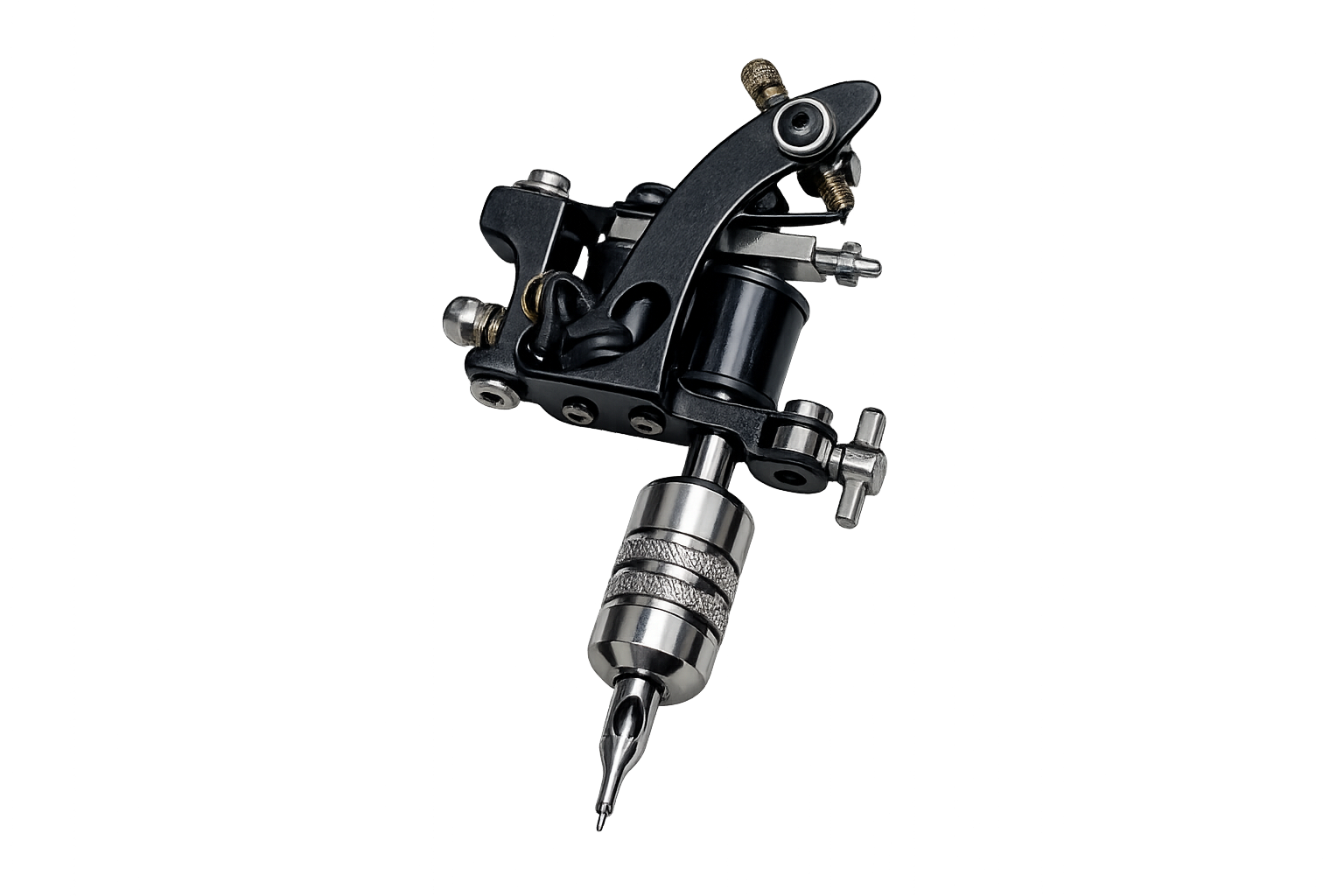
- Generally not suitable: complete rotary or pen machines, motors, wired components, battery packs, circuit boards, and most assembled coil machines. Immersion can damage mechanisms and electronics.
- Exceptions: only immerse a complete machine or component if its exact manufacturer instructions explicitly authorize immersion and specify how to reprocess it. “Water-resistant” does not automatically mean ultrasonic-safe.
Use the cleaner's basket and lid, approved cleaning solution, appropriate protective equipment, and the equipment-specific procedure. After cleaning, rinse and dry as directed, inspect, package, and sterilize reusable skin-contact instruments using the correct validated process. If a part cannot be properly reprocessed, use a suitable disposable alternative.
5. During the Tattoo and Afterward
- Use clean single-use paper towels with properly prepared tattoo wash when wiping skin; do not reuse towels or aggressively scrub healing tissue.
- Use sterile water for dilution or rinsing when required by applicable guidance; never dilute tattoo ink with tap water.
- Keep unopened supplies away from splashes and dispose of leftover ink rather than returning it to a bottle.
- Discard sharps immediately, remove used barriers carefully, and clean and disinfect surfaces using labeled contact times.
- Seek medical evaluation for spreading redness, worsening pain, pus, fever, or other signs of infection.
For detailed precautions, see Health & Safety and the Tattoo Station Setup Guide.
Tattoo Hygiene Videos
Watch demonstrations of tattoo hygiene and cross-contamination prevention. Select a video from the scrollable list on the right. These are independent creators; always compare video advice with current health department and manufacturer instructions.
Tattoo hygiene and avoiding contamination while setting up and breaking down a station.
Watch directly on YouTube